Author name: Jane

Dream Remote Work Islands for Workcations in 2025
Vacation

Dream Remote Work Islands for Workcations in 2025

For many travelers, the idea of escaping to a remote island conjures up images of white sands, turquoise waters, and, let’s be honest, zero cell reception. But in today’s world, staying connected isn’t just a luxury; it’s a lifestyle. Whether you’re a digital nomad chasing your next workcation spot or a traveler who likes to upload their sunsets in real time, some islands have mastered the art of offering serenity and strong Wi-Fi. Here are some of the best remote islands where you can unplug from the chaos without disconnecting entirely. Top 10 Remote Work Islands to Boost Productivity & Bliss 1. Madeira, Portugal Known affectionately as the Island of Eternal Spring, Madeira sits in the Atlantic Ocean like a lush green gem, blessed with mild weather year-round. But beyond its breathtaking cliffs and botanical gardens, Madeira has quietly become a pioneer in Europe’s remote work revolution. The island’s government invested in high-speed fiber-optic networks, ensuring reliable connections even in smaller coastal villages. It’s not just a spot to escape to; it’s a place where work and wanderlust seamlessly meet. The heart of this movement is Ponta do Sol, home to the world-renowned Digital Nomad Village program, an initiative launched by Startup Madeira and supported by the regional government. This project offers more than just Wi-Fi; it’s a whole community experience with coworking spaces, networking events, and a welcoming environment for professionals from around the globe. You can start your mornings answering emails with the Atlantic breeze on your face, grab lunch at a seaside café, then spend the afternoon hiking through the UNESCO-listed Laurisilva Forest. Evenings might be spent mingling with other nomads over wine tastings or sunset yoga sessions by the cliffs. Madeira’s charm lies in this balance: productive mornings, adventurous afternoons, and soulful nights under the stars. 2. Bali, Indonesia Bali has long held a magnetic pull for creatives, surfers, and spiritual seekers, but in recent years, it’s evolved into a global hotspot for remote workers. While the beaches and temples are the obvious draws, it’s the island’s commitment to connectivity that makes it stand out in the digital age. The areas of Canggu, Ubud, and Seminyak are dotted with stylish coworking hubs like Dojo Bali and Outpost, where the Wi-Fi is strong, the coffee is fresh, and the networking is effortless. You can brainstorm ideas to the sound of crashing waves or take a quick surf break between meetings; it’s all part of the island’s easygoing rhythm. What makes Bali truly special is how it fuses work and well-being. After a productive morning, you can step into a yoga retreat, enjoy an acai bowl in a bamboo café, or explore the lush rice terraces of Tegalalang. Many villas and long-stay accommodations cater directly to digital nomads, offering fiber-optic internet, ergonomic workspaces, and scenic backdrops that beat any office cubicle. And because community is such a big part of the Balinese experience, you’ll find regular networking mixers, workshops, and sustainability meetups where global professionals come together. Whether you’re coding, designing, or writing, Bali offers a lifestyle that’s both inspiring and sustainable, proof that productivity can thrive even in paradise. 3. The Azores, Portugal The Azores archipelago, a scattering of nine volcanic islands in the middle of the Atlantic, might look like a place untouched by time, but don’t let the dramatic landscapes fool you. Beneath its serene beauty lies a growing tech-friendly infrastructure that caters to travelers who crave both wilderness and Wi-Fi. Islands like São Miguel and Terceira have invested in reliable 4G and expanding fiber-optic networks, making it easy to stay connected even when crater lakes and misty green pastures surround you. Digital nomads are quickly discovering this secret haven, thanks to emerging coworking spaces in Ponta Delgada and Angra do Heroísmo that combine modern comfort with island charm. You can take a morning dip in the thermal pools of Furnas, join a video meeting from a seaside café, and still end your day whale watching or hiking through volcanic calderas. The local pace of life is unhurried, the air is crisp, and the digital scene is small but welcoming. The Azores offer a rare mix of rugged isolation and connectivity; a place where you can work without distractions and recharge in nature’s rawest form. 4. Palawan, Philippines Palawan has long been hailed as one of the world’s most beautiful islands, with its jagged limestone cliffs, turquoise lagoons, and vibrant coral reefs. But lately, it’s also becoming a remote-work-ready paradise. Towns like El Nido, Coron, and Puerto Princesa are upgrading fast, introducing fiber-connected cafés, eco-resorts, and co-working hubs that cater to travelers who want to blend business with beach life. Resorts now proudly list their Wi-Fi speeds alongside amenities, and local entrepreneurs are setting up community workspaces with strong internet, ocean views, and the occasional coconut delivery service. What’s especially impressive is how Palawan’s infrastructure growth stays rooted in sustainability. Many eco-lodges rely on solar-powered Wi-Fi systems, ensuring connectivity without compromising the environment. You can draft reports in a thatched-roof cabana, take a snorkeling break between tasks, and enjoy dinners of freshly caught seafood under the stars. While the strongest signals are in town centers, the farther-flung islands remain blissfully off-grid, a reminder that even in an increasingly connected world, some disconnection is still a luxury worth preserving. 5. Koh Phangan, Thailand Koh Phangan has undergone one of the most interesting transformations in Southeast Asia. Once synonymous with its legendary Full Moon Parties, the island now attracts a different crowd: digital nomads, wellness seekers, and creative professionals drawn to its slower rhythm and surprisingly robust internet. The Srithanu area, in particular, has become the heart of this remote-working renaissance, filled with vegan cafés, yoga retreats, and coworking studios that double as social hubs. You can start your day meditating by the sea, jump into calls at a high-speed Wi-Fi café, then unwind with a beachside smoothie bowl at sunset. The island’s infrastructure has evolved to meet its new identity. Strong 4G coverage and widespread

Volunteer Travel Experiences That Truly Change Your Life
Travel

Volunteer Travel Experiences That Truly Change Your Life

Travel is often synonymous with exploration, leisure, and adventure. For those seeking a deeper connection with the places they visit, volunteer travel offers a unique opportunity to make a tangible impact while experiencing the world. Volunteer travel, also known as voluntourism, combines the transformative power of travel with meaningful service projects, enabling travelers to contribute to community development, environmental conservation, and global initiatives while immersing themselves in local cultures. Whether you are passionate about education, wildlife conservation, healthcare, or community development, volunteer travel offers experiences that extend far beyond sightseeing. Understanding Volunteer Travel Volunteer travel combines tourism with volunteering, offering travelers the opportunity to participate in organized projects in various countries. These opportunities range from short-term engagements, such as a week-long marine conservation program, to long-term placements lasting several months, such as teaching English in rural schools. Volunteer travel is designed to foster cultural exchange, community development, and personal growth, offering benefits not only to the communities served but also to the travelers themselves. Participants gain new skills, build global networks, and often return home with a renewed sense of purpose. One key aspect of volunteer travel is selecting a reputable organization. Many programs partner with local nonprofits, schools, hospitals, or environmental organizations to ensure that projects are sustainable and culturally respectful. Prospective volunteers should research the mission, impact, and logistics of each program, including accommodation, meals, and safety considerations. Transparent communication and ethical engagement are crucial to prevent “voluntourism” from inadvertently harming communities or exploiting vulnerable populations. Types of Volunteer Travel Opportunities Volunteer travel opportunities are diverse, catering to a wide array of interests, skills, and durations. Here are some of the most popular types: 1. Education and Teaching Programs Many volunteer travelers choose to teach English, mathematics, or computer skills in schools or community centers abroad. Countries in Southeast Asia, Africa, and Latin America often welcome volunteers to assist with literacy programs, after-school activities, or educational workshops. Teaching volunteers gain firsthand insight into local educational systems and help provide resources and mentorship to students who might otherwise have limited access to quality education. 2. Healthcare and Medical Volunteering Medical volunteering opportunities allow healthcare professionals, students, and trained volunteers to contribute to clinics, hospitals, and community health programs. Tasks can range from providing basic health education to assisting in vaccination drives or supporting maternal and child health initiatives. These programs are particularly impactful in regions where access to medical care is limited, providing a practical way to make a difference while learning about global health challenges. 3. Environmental Conservation For travelers passionate about sustainability, conservation projects offer an opportunity to protect wildlife, restore ecosystems, and promote environmental awareness. Volunteers may work in wildlife sanctuaries, reforestation programs, coral reef restoration projects, or sustainable agriculture initiatives. These projects often involve physical labor and long hours outdoors, but offer a rewarding chance to see the immediate impact of one’s efforts on fragile ecosystems. 4. Community Development Community development volunteering focuses on improving the livelihoods of underserved populations. Volunteers may assist in constructing schools, building water systems, supporting small businesses, or facilitating skills training programs. These initiatives often require collaboration with local communities to address their most pressing needs, promoting empowerment and long-term sustainability. 5. Disaster Relief and Humanitarian Aid Some volunteer programs focus on supporting communities affected by natural disasters, such as earthquakes, floods, or hurricanes. Volunteers assist with rebuilding infrastructure, distributing supplies, and providing emotional support to affected populations. While these programs can be physically and emotionally challenging, they offer a profound sense of purpose and the opportunity to witness the resilience of communities firsthand. Benefits of Volunteer Travel Volunteer travel is more than just a way to explore new destinations—it is a transformative experience that impacts both the traveler and the communities they serve. The benefits extend far beyond the immediate outcomes of the volunteer work, shaping perspectives, skills, and personal growth in profound ways. Cultural Immersion: One of the most enriching aspects of volunteer travel is the opportunity to live and work closely with local communities. Unlike conventional tourism, which often offers a superficial glimpse into a destination, volunteering allows travelers to experience daily life, customs, and traditions firsthand. By participating in local festivals, sharing meals with host families, or assisting in community projects, volunteers gain an authentic understanding of the culture that cannot be achieved from a hotel or guided tour alone. This deep immersion often leads to lasting friendships and a genuine appreciation of cultural diversity. Skill Development: Volunteer travel is a practical learning experience that equips participants with transferable skills highly valued in both personal and professional contexts. For example, managing a community project or coordinating activities in a school setting can improve leadership, teamwork, and problem-solving abilities. Volunteers also develop communication and cross-cultural skills by navigating language barriers, cultural differences, and collaborative tasks. These skills enhance adaptability and resilience, making volunteers more versatile in future endeavors, whether in career or life challenges. Personal Growth: Engaging in meaningful volunteer work fosters empathy, self-awareness, and emotional resilience. Being exposed to different social realities and witnessing firsthand the challenges faced by underserved communities encourages volunteers to reflect on their own lives and the privileges they hold. The experience cultivates compassion, patience, and a stron ger sense of purpose, leaving travelers with a broadened worldview and a renewed sense of responsibility toward global issues. Global Networking: Volunteer travel connects individuals to a diverse network of people, including fellow travelers, local leaders, nonprofit organizations, and community members. These connections often lead to lifelong friendships, professional collaborations, or mentorship opportunities. The shared commitment to service fosters a sense of camaraderie and collective achievement, enriching the volunteer experience. Travel with Purpose: Perhaps the most compelling benefit is the sense of purpose that volunteer travel brings to the exploration experience. Unlike traditional tourism, which primarily focuses on personal enjoyment, volunteer travel allows participants to make meaningful contributions to the communities they visit. The knowledge that one’s efforts are making a positive impact adds depth and fulfillment to the travel experience, creating memories

Explore Hidden Caves That Will Leave You in Awe
Vacation

Explore Hidden Caves That Will Leave You in Awe

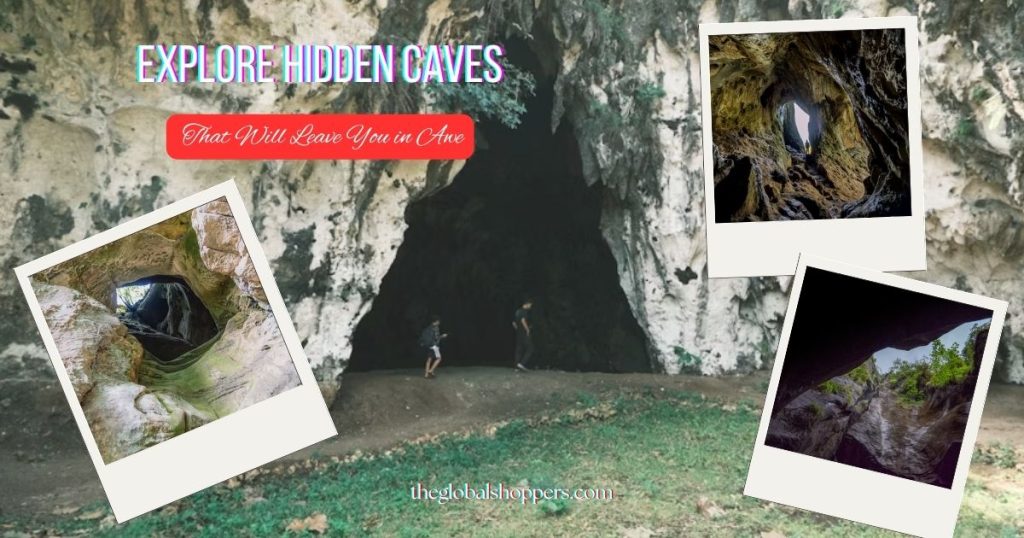
The surface of the Earth is filled with wonders: towering mountains, rushing rivers, and endless coastlines, but beneath it lies another world entirely. Hidden Caves and ancient caverns stretch deep below our feet, carved over millions of years by water, time, and the Earth’s restless energy. These subterranean marvels hold secrets of geology, history, and even traces of early human life. From glittering crystal chambers to ancient underground rivers, these Hidden Caves offer an adventure unlike any other, where light, silence, and mystery blend into something almost magical. Whether you’re an adrenaline seeker eager to crawl through narrow tunnels or a curious traveler looking for a safe, guided tour through nature’s underground artistry, the world’s Hidden Caves promise awe-inspiring experiences. This guide explores some of the most breathtaking caves and caverns across the globe, along with fascinating insights, travel tips, and what makes each descent worth the journey into the Earth’s hidden heart. The Allure of Underground Worlds Caves have always captivated human imagination. Early civilizations used them as shelters, temples, and even gateways to the spiritual world. In mythology, caves often symbolize mystery and transformation—a place where explorers venture into the unknown and return changed. Today, they remain one of nature’s most mesmerizing creations, offering a glimpse into the planet’s hidden workings. What makes caves so fascinating is their diversity. Some sparkle with mineral formations that look like frozen waterfalls, while others echo with underground rivers or glow with bioluminescent life. Exploring them allows travelers to witness geology in motion, to see the artistry of water and stone shaped over thousands or even millions of years. How Caves and Caverns Form Caves are created when natural forces like water, volcanic activity, or tectonic movement carve voids in the Earth’s crust. The most common type, limestone caves, form when slightly acidic rainwater seeps through soil and dissolves the rock below. Over time, the cavities grow into tunnels, chambers, and complex cave systems. Inside, water dripping from ceilings or running along walls continues to sculpt breathtaking formations. Stalactites hang like icicles, while stalagmites rise from the ground like pillars. When these two meet, they form majestic columns. Other features, like flowstones and soda straws, create mesmerizing textures that seem almost alive. Volcanic caves, on the other hand, are formed by flowing lava. When the outer layer of molten rock hardens while the inner flow continues, it creates hollow tunnels known as lava tubes. Some of these can stretch for miles, forming surreal, glowing passageways beneath old lava fields. The World’s Most Hidden Caves and Caverns Waitomo Glowworm Caves, New Zealand Few places in the world feel as magical as the Waitomo Glowworm Caves on New Zealand’s North Island. Here, thousands of tiny glowworms light up the ceilings like a natural planetarium. Visitors can take a boat ride along the underground river, drifting silently under a sky of bioluminescent blue lights. The experience is both tranquil and otherworldly, as if floating through a galaxy beneath the Earth. Mammoth Cave, Kentucky, USA The name says it all. Mammoth Cave is the world’s longest cave system, stretching over 400 miles of mapped passageways. Located in Kentucky, this UNESCO World Heritage Site offers tours for all levels—from easy walks through vast chambers to challenging spelunking routes that crawl through narrow tunnels. The Cave’s history is just as fascinating as its geology, with evidence of prehistoric human exploration and stories from the early 1800s when it was mined for saltpeter used in gunpowder. Škocjan Caves, Slovenia If there were ever a cave that looked straight out of a fantasy novel, it would be the Škocjan Caves. Designated a UNESCO World Heritage Site, this Slovenian wonder features massive underground canyons, gushing rivers, and dramatic stone bridges. The Murmuring River, which disappears into the depths of the Earth, adds a sense of adventure and mystery. Walking across the narrow bridge suspended above a roaring chasm is an experience you’ll never forget. Carlsbad Caverns, New Mexico, USA Carlsbad Caverns National Park in the Chihuahuan Desert is home to over 100 caves, including some of the largest chambers in North America. The Big Room, the park’s most famous chamber, is so vast that it could fit six football fields. Visitors can take the elevator 750 feet down or hike through the Natural Entrance Trail for a more immersive journey. Each year, thousands gather at dusk to watch a spectacular event: hundreds of thousands of bats spiraling out of the Cave for their nightly flight. Postojna Cave, Slovenia Another Slovenian marvel, Postojna Cave, is one of Europe’s most visited underground attractions. What sets it apart is its underground train, which takes visitors through over 15 miles of tunnels filled with stunning stalactites and stalagmites. The Cave’s grand halls and narrow corridors are beautifully illuminated, highlighting the shimmering rock formations. Postojna is also home to the “baby dragon,” a rare, blind salamander called the olm that has adapted to the darkness over centuries. Puerto Princesa Underground River, Philippines Located on Palawan Island, this UNESCO-listed site is one of the world’s longest navigable underground rivers. Stretching over five miles, it winds through impressive limestone formations before flowing directly into the sea. Visitors can explore the first section by boat, marveling at cathedral-like chambers and dramatic rock patterns. The area surrounding the river is lush with tropical wildlife, making it a perfect mix of underground wonder and natural beauty. Fingal’s Cave, Scotland Fingal’s Cave on the uninhabited island of Staffa is unlike any other. Its walls are made of hexagonal basalt columns formed by ancient lava flows, creating a geometric masterpiece of nature. The Cave’s acoustics inspired composers like Felix Mendelssohn, who wrote the famous “Hebrides Overture” after visiting the area. Reaching Fingal’s Cave requires a boat trip, but the journey through Scotland’s wild coastline is part of the charm. Jeita Grotto, Lebanon Just outside Beirut lies one of the Middle East’s greatest natural treasures: the Jeita Grotto. This stunning cave system consists of two separate caverns, the upper and lower grotto, both

10 Lesser-Known Dive Spots That Feel Like Pure Magic
Travel

10 Lesser-Known Dive Spots That Feel Like Pure Magic

For many travelers, scuba diving often brings to mind the Great Barrier Reef, the Maldives, or Palau, postcard-perfect sites that have become synonymous with underwater exploration. But beyond these well-trodden waters lies an entire world of lesser-known dive spots that are equally mesmerizing, sometimes even more so because they remain untouched by mass tourism. These destinations offer pristine coral gardens, rare marine life encounters, and a serenity that can only be found where the crowds haven’t yet arrived. Let’s dive into some of the world’s most underrated underwater paradises, from volcanic islands and hidden lagoons to ancient shipwrecks resting in crystal-clear shallows. 1. Raja Ampat, Indonesia – The Crown Jewel That’s Still a Secret While Indonesia is famous among divers, Raja Ampat remains relatively remote and blissfully uncrowded. Located in West Papua, this archipelago of over 1,500 islands is home to 75% of the world’s known coral species and a kaleidoscope of marine biodiversity. Imagine descending into a world where manta rays glide gracefully over coral forests, pygmy seahorses cling to sea fans, and reef sharks patrol the depths below. Getting here is an adventure in itself, typically via Sorong followed by boat transfers, but the reward is unparalleled. Divers can explore sites like Cape Kri, known for record-setting fish counts, or Blue Magic, where schools of barracuda swirl around you in hypnotic unison. The area’s protected status ensures sustainable diving, keeping this underwater Eden thriving. 2. Tubbataha Reefs Natural Park, Philippines – The Heart of the Coral Triangle Accessible only by liveaboard during a few months each year, Tubbataha Reefs in the Sulu Sea are a UNESCO World Heritage Site that delivers jaw-dropping dives. It’s not as famous as Palawan or Cebu, but for those in the know, it’s the crown jewel of Philippine diving. Picture vertical walls plunging 100 meters deep, giant trevallies darting through colorful corals, and hawksbill turtles gliding past curious hammerhead sharks. Visibility can stretch up to 50 meters on a good day. Because it’s open for diving only from March to June, the reefs remain exceptionally healthy, offering a rare glimpse into marine life at its most untouched. 3. Silfra Fissure, Iceland – Dive Between Continents If you’re after a surreal experience, the Silfra Fissure in Thingvellir National Park offers something no tropical reef can: the chance to dive between two tectonic plates, North America and Eurasia. The water, filtered through volcanic rock for decades, is so pure and clear that visibility often exceeds 100 meters. You’ll glide through stunning geological formations, floating over electric-blue crevices formed by shifting continents. Though it’s a cold-water dive, dry suits keep you warm while you marvel at the alien-like beauty below. It’s a must for adventure seekers who crave the extraordinary. 4. Tofo, Mozambique – Manta Rays and Whale Sharks Galore Considered one of the most exhilarating big-animal diving experiences on the planet, the so-called “Manta Coast” offers underwater encounters that feel straight out of a nature documentary. Divers can glide alongside majestic giant manta rays, come face-to-face with gentle whale sharks, and even catch the haunting songs of humpback whales during migration season. The sheer abundance of marine life here creates a sense of awe and connection to the ocean that few places can match. The region’s nutrient-rich waters attract pelagic species throughout the year, ensuring that every dive feels alive with movement and mystery. What makes this destination truly special, though, is its untouched charm, free from heavy commercialization and overcrowded resorts. Local dive operators are deeply committed to sustainability, focusing on reef protection, responsible wildlife interaction, and marine research initiatives. For eco-conscious adventurers, it’s the perfect balance of adrenaline, serenity, and purpose beneath the waves. 5. Pemba Island, Tanzania – Zanzibar’s Wild Sister While Zanzibar draws beach lovers and honeymooners, Pemba Island remains its mysterious, wilder sibling. Its untouched reefs are alive with massive table corals, reef sharks, and curious Napoleon wrasse. Drift dives along the Pemba Channel offer strong currents, bringing a rush of adrenaline as you soar over vertical walls covered in sponges and fans. 6. Poor Knights Islands, New Zealand – A Subtropical Surprise Just off New Zealand’s North Island, the Poor Knights Islands combine volcanic formations with subtropical marine life, featuring sea caves, kelp forests, and underwater arches teeming with snapper and moray eels. Legendary explorer Jacques Cousteau once named this one of his top ten dive sites in the world, yet it remains underrated outside the diving community. Divers can explore sites like Blue Maomao Arch, a cathedral-like space where sunlight filters through swirling schools of fish. The water may be chilly, but the spectacle below the surface is truly unforgettable. 7. Los Roques, Venezuela – Caribbean Serenity Without the Crowds If you crave Caribbean blues without the chaos of cruise ships, Los Roques National Park delivers pure paradise. This remote archipelago boasts crystal-clear lagoons, shallow reefs perfect for beginners, and deep walls for advanced divers. Despite political challenges on the mainland, Los Roques remains a safe and serene haven, with vibrant corals and abundant marine life like eagle rays and nurse sharks. Bonus: you’ll often have entire dive sites to yourself. 8. Cocos Island, Costa Rica – The Real-Life Isla Nublar Known as the inspiration for Jurassic Park, Cocos Island lies 550 km off Costa Rica’s Pacific coast and is only accessible by liveaboard. It’s one of the best places on Earth to dive with hammerhead shark schools, white-tip reef sharks, and even the elusive whale shark. The island’s remote location means you’ll be surrounded by nothing but the open ocean and the thrill of the unknown. Visibility and currents vary, but the sheer biomass of marine life makes every dive electrifying. 9. Lofoten Islands, Norway – Arctic Diving Adventure You wouldn’t normally associate Arctic waters with diving bliss, but the Lofoten Islands redefine what “stunning” means underwater. Picture diving among kelp forests, colorful anemones, and shipwrecks resting in water so clear it almost glows. In winter, you might even see the Northern Lights dancing overhead. For photographers,

Top Romantic Beach Destinations for Couples 2025
Travel

Top Romantic Beach Destinations for Couples 2025

There is something inherently magical about beaches. The gentle sound of waves, the warm sun, and the endless horizon create the perfect backdrop for romance. Whether celebrating an anniversary, honeymoon, or simply enjoying a getaway for quality time together, beach destinations offer intimacy, adventure, and relaxation all in one. Choosing the right beach destination for two involves finding the perfect mix of privacy, scenery, activities, and amenities. This guide highlights the most romantic beach destinations around the world, from secluded islands to vibrant coastlines, ensuring unforgettable experiences for couples. Each location is described in detail, with insights into accommodations, activities, and practical travel tips for couples seeking the ultimate romantic escape. 12 Romantice Beach Destinations for Lovebirds 1. Maldives The Maldives is the ultimate destination for couples seeking privacy, luxury, and unparalleled natural beauty. Its crystal-clear waters, vibrant coral reefs, and powdery white sand make it ideal for a romantic getaway. The islands are composed of over 1,000 coral islands, each offering its own unique charm and experience. Overwater villas: Staying in an overwater bungalow is a quintessential Maldives experience. Resorts like Soneva Jani and Gili Lankanfushi offer private pools, direct water access, and personalized butler service. Imagine waking up to the sound of waves lapping beneath your villa, stepping out onto your deck to watch tropical fish swim beneath you. Snorkeling and diving: The Maldives boasts some of the richest marine biodiversity in the world. Couples can snorkel side by side among colorful coral gardens, spot manta rays, and even swim with gentle whale sharks under expert guidance. Sunset cruises and private dining: Many resorts offer private sunset cruises on traditional dhoni boats or intimate dinners on the beach. Enjoying a glass of champagne as the sun sets over the Indian Ocean is an unforgettable shared experience. The Maldives offers both adventure and seclusion, making it a top choice for couples looking to escape the world and immerse themselves in romance. 2. Bora Bora, French Polynesia Bora Bora is world-famous for its dramatic lagoon, crystal-clear waters, and Mount Otemanu’s majestic backdrop. Often described as a tropical paradise, it is perfect for couples seeking a blend of luxury and natural beauty. Luxury resorts: Resorts such as Four Seasons Bora Bora and St. Regis Bora Bora provide overwater bungalows and private beaches with stunning views of the lagoon. Many bungalows feature glass floors, allowing couples to watch the vibrant marine life beneath them. Water adventures: Couples can enjoy snorkeling, paddleboarding, or even shark-feeding excursions. Exploring the lagoon together creates memorable experiences and moments of shared adventure. Secluded experiences: Private dinners on the beach, couples’ spa treatments, and guided nature walks are standard offerings at many Bora Bora resorts. These activities are designed to maximize intimacy and create lasting memories. Bora Bora combines tranquility, adventure, and breathtaking scenery, making it one of the most romantic destinations for couples worldwide. 3. Santorini, Greece Santorini is one of Europe’s most romantic beach destinations, renowned for its dramatic cliffs, iconic whitewashed buildings, and sunsets over the Aegean Sea. Couples can enjoy both natural beauty and cultural charm in this volcanic island paradise. Seaside towns: Oia and Fira are famous for narrow cobblestone streets lined with cafes, boutique shops, and stunning panoramic views. Wandering through these towns hand in hand provides a charming and intimate experience. Volcanic beaches: Santorini boasts unique black and red sand beaches. Kamari and Perissa offer lively atmospheres with beach bars and water sports, while Red Beach provides more privacy for couples seeking a tranquil escape. Sunset cruises and wine tours: Sailing tours around the caldera offer unparalleled views of the island’s cliffs and surrounding islands. Couples can also explore local vineyards for wine tasting, combining romance with cultural discovery. Santorini’s dramatic landscapes, picturesque towns, and vibrant sunsets make it a perfect blend of culture and romance for couples. 4. Maui, Hawaii Maui is ideal for couples who want a combination of adventure and relaxation. With lush landscapes, volcanic beaches, and tropical forests, the island offers something for every type of couple. Haleakalā sunrise: Watching the sunrise from the summit of Haleakalā volcano is a truly breathtaking experience. Couples can drive to the summit early in the morning and witness the sky transform into a spectacular array of colors. Road to Hana: This scenic drive features waterfalls, black sand beaches, and hidden coves perfect for exploration. Stopping along the way allows couples to discover secluded spots and enjoy private moments together. Beach relaxation: Kaanapali and Wailea beaches offer golden sands, calm waters, and luxury resorts, perfect for couples to unwind. Relaxing on the beach, sipping cocktails, and watching the sun set creates the ultimate romantic experience. Maui’s mix of adventure, natural beauty, and tranquility ensures that couples have both exciting activities and peaceful relaxation. 5. Seychelles The Seychelles, located in the Indian Ocean, is a group of islands known for their stunning beaches, lush greenery, and exceptional privacy. These islands are perfect for couples seeking seclusion and natural beauty. Beaches like Anse Lazio and Anse Source d’Argent: These beaches feature soft white sand, granite boulders, and calm, turquoise waters perfect for sunbathing and snorkeling. Luxury villas and resorts: Many accommodations offer private villas surrounded by tropical gardens, infinity pools, and personalized service for an intimate stay. Wildlife and nature: Couples can explore nature reserves, spotting giant tortoises, exotic birds, and vibrant marine life while enjoying the serene natural surroundings. The Seychelles’ combination of natural beauty, privacy, and luxurious accommodations makes it a dream destination for couples looking to escape the crowds. 6. Bali, Indonesia Bali combines scenic beaches with rich culture and luxury accommodations. Its warm hospitality, lush landscapes, and vibrant traditions make it perfect for couples seeking a romantic yet immersive experience. Seminyak and Nusa Dua: These beaches provide upscale resorts, fine dining, and beach clubs for daytime leisure and evening entertainment. Uluwatu cliffs and temples: Couples can visit cliffside temples and enjoy traditional Kecak dance performances during sunset, creating unforgettable shared cultural experiences. Private villas with pools: Many villas

10 Romantic Travel Ideas for Couples Abroad
Vacation

10 Romantic Travel Ideas for Couples Abroad

Exploring the world together gives couples a chance to create unforgettable memories and discover new sides of each other. Traveling abroad opens the door to adventure, connection, and romance in ways that everyday life simply cannot. Whether it is a honeymoon, an anniversary trip, or a spontaneous getaway, the right destination can turn simple moments into lasting stories. Incorporating a few thoughtful romantic travel ideas, such as candlelit dinners by the sea, cultural tours, and heart-pounding adventures, can make every journey feel special. These shared experiences not only strengthen bonds but also remind couples why they fell in love in the first place. Every trip abroad becomes an opportunity to celebrate love, laughter, and the joy of discovery together. Top 10 Romantic Travel Ideas for Couples Abroad 1. Sunset Cruises and Boat Tours Sunset cruises are a classic romantic experience, but experiencing them abroad elevates their magic. The combination of warm breezes, fading sunlight, and new horizons creates an unforgettable backdrop. Mediterranean charm: In destinations like Santorini, Amalfi, and Dubrovnik, couples can enjoy private sailing tours along cliffs and quaint coastal villages. These cruises often include champagne and light bites, creating a perfect setting for intimate conversation and shared moments. Island paradises: In Bora Bora, the Maldives, or the Whitsundays, private dhoni or yacht cruises provide complete seclusion. Couples can drift over turquoise waters, snorkel in coral gardens, or watch the sunset in total privacy. River cruises in cities: Cities like Paris, Amsterdam, or Bangkok offer nighttime cruises along rivers or canals. Illuminated bridges, historic architecture, and the gentle movement of the water combine for a cinematic romantic experience. Sunset cruises allow couples to enjoy scenic views, private moments, and shared wonder in settings far removed from the usual tourist bustle. For many, these cruises become the highlight of a romantic getaway. 2. Couples’ Cooking Classes Learning to cook a local dish together combines fun, culture, and intimacy. Cooking classes abroad allow couples to engage all senses while creating something tangible to share. Italy: Florence, Rome, and Tuscany offer pasta-making classes where couples knead dough, roll it into shapes, and cook it fresh for lunch. Adding local wine and olive oil tasting elevates the experience. Thailand: In Bangkok or Chiang Mai, couples can learn to prepare curries, dumplings, or pad Thai while discovering local markets for fresh ingredients. It’s a hands-on adventure that blends food, culture, and teamwork. Spain: Barcelona and Valencia offer paella and tapas classes, giving couples insight into culinary traditions while learning skills they can bring home. Cooking together abroad fosters collaboration and shared achievement, turning even simple meals into lasting memories. Couples often find that this interactive experience creates laughter, learning, and a stronger sense of togetherness. 3. Scenic Hikes and Nature Walks Exploring natural landscapes together is invigorating and bonding. Hiking abroad offers exercise, adventure, and the beauty of unfamiliar terrain. Volcanic sunrises: Couples can hike Mount Batur in Bali or Haleakalā in Maui for breathtaking sunrises. Standing together above the clouds while the sky transforms is a deeply romantic moment. National parks: Visiting parks like Yellowstone in the U.S., Banff in Canada, or Torres del Paine in Chile provides adventure, wildlife sightings, and secluded spots for private picnics or quiet reflection. Coastal trails, such as those on the Amalfi Coast, Cinque Terre, or Santorini cliffs, feature coastal hikes with stunning views, photo opportunities, and hidden coves for quiet conversations. Nature walks offer couples a unique blend of physical activity and intimate moments, allowing them to disconnect from everyday life’s stresses and focus on each other amidst breathtaking scenery. 4. Private Beach Picnics Beach picnics are deceptively simple but offer powerful moments of intimacy. Choosing the correct location abroad can transform a simple lunch into a romantic memory. Secluded beaches: Destinations like Seychelles, El Nido, and Turks and Caicos offer hidden coves where couples can enjoy privacy and uninterrupted ocean views. Local flavors: Choose regional cheeses, fresh seafood, tropical fruits, pastries, or local beverages to create a picnic that reflects the local culture. Complementary activities: Follow a picnic with snorkeling, swimming, or a sunset stroll along the shore. Beach picnics combine nature, privacy, and shared meals, making them ideal for couples who enjoy slow, quality time together in beautiful surroundings. 5. Wine and Food Tastings Tasting local cuisine and beverages is an immersive experience that engages the senses and strengthens bonds. Wine regions such as Napa Valley, Bordeaux, Tuscany, and Stellenbosch offer vineyard tours with wine tastings, behind-the-scenes insights into winemaking, and romantic picnic setups amidst the vines. Culinary tours: Exploring street food, market delicacies, and small restaurants in Tokyo, Mexico City, or Lisbon creates shared sensory experiences. Chocolate and dessert experiences: In Brussels, Zurich, or Paris, couples can indulge their sweet tooth together by participating in chocolate-making workshops or dessert tastings. Food and wine tasting experiences abroad combine learning, indulgence, and intimacy, making them excellent date ideas for couples wanting both adventure and relaxation. 6. Cultural Experiences and Historical Tours Immersing yourselves in local culture and history adds depth and richness to travel dates. Visiting museums, landmarks, and regional events provides shared experiences that go beyond ordinary sightseeing. Art and museums: Visiting the Louvre in Paris, the Uffizi in Florence, or the Prado in Madrid sparks conversation and exploration of shared interests. Couples can compare perspectives on art and architecture while discovering new inspirations together. Historical landmarks: Castles in Scotland, temples in Kyoto, and colonial towns in Mexico offer immersive experiences, blending learning and romance. Festivals and local events: Attending Rio Carnival, Diwali in India, or Oktoberfest in Germany creates unforgettable memories and a sense of connection to local traditions. Cultural and historical exploration allows couples to bond over new knowledge, shared awe, and exciting discoveries, deepening both the travel experience and the relationship. 7. Adventure and Water Sports For adventurous couples, shared thrills create lasting bonds and exciting stories. Travel abroad provides unique opportunities for water and land-based adventures. Snorkeling and scuba diving: Destinations like the Maldives, Belize, and the Great Barrier

10 Best Family-Friendly Resorts for Unforgettable Vacations
Vacation

10 Best Family-Friendly Resorts for Unforgettable Vacations

Vacations are an essential way for families to connect, relax, and create lasting memories. Choosing the right resort is crucial to ensuring that everyone, from toddlers to grandparents, has an enjoyable and stress-free experience. Family-friendly resorts combine comfort, convenience, entertainment, and safety, offering activities for kids, adults, and teens alike. From beachside escapes to mountain retreats, these resorts provide the perfect mix of adventure, relaxation, and family bonding. In this article, we explore some of the best family-friendly resorts worldwide, highlighting what makes each unique and providing tips for maximizing your family vacation experience. Top 10 Family-Friendly Resorts for Fun-Filled Vacations 1. Atlantis Paradise Island, Bahamas Atlantis Paradise Island is a legendary resort that has become synonymous with family fun and luxury. Located in the Bahamas, this resort offers a combination of thrilling water adventures, kid-friendly activities, and adult relaxation. Waterparks and pools: Atlantis features Aquaventure, a 141-acre water park with water slides, river rides, and a splash playground for younger children. The family can spend the whole day enjoying thrilling rides and relaxing in lazy rivers. Marine life experiences: Families can explore The Dig, an interactive aquarium, or swim with dolphins at Dolphin Cay. These experiences provide both education and entertainment for children of all ages. Variety of accommodations: Atlantis offers family suites, villas, and rooms connected by lush pathways, making it easy for families to stay together while still having private space. Dining options: Over 20 restaurants serve a range of cuisines from casual family-friendly meals to fine dining for adults, ensuring everyone’s tastes are covered. Atlantis Paradise Island is ideal for families seeking a combination of adventure, luxury, and unique marine experiences. 2. Disney’s Grand Floridian Resort & Spa, Florida For families who want the magic of Disney with luxury accommodations, Disney’s Grand Floridian Resort & Spa in Orlando is the ultimate choice. Proximity to theme parks: Located near Magic Kingdom and other Disney parks, families can enjoy the convenience of early access to rides, character meet-and-greets, and special events. Family-friendly activities: The resort offers poolside games, storytelling sessions, and seasonal activities tailored to children and teens. Elegant accommodations: Rooms and suites are spacious enough for families, with options for connecting rooms and amenities like mini-fridges and in-room entertainment. Dining experiences: From character breakfasts to diverse international cuisine, dining at the resort ensures fun and convenience for all ages. This resort combines Disney magic with luxury comfort, making it a top pick for families wanting an immersive and hassle-free vacation. 3. Beaches Turks & Caicos, Caribbean Beaches Turks & Caicos is an all-inclusive resort designed with families in mind. The resort provides endless entertainment, extensive kids programs, and opportunities for adults to relax. Kids’ clubs and teen zones: Ages 0-17 can enjoy age-specific programs, including supervised play areas, arts and crafts, video games, and water sports lessons. Water activities: Families can snorkel, sail, paddleboard, or enjoy private beaches. The shallow, calm waters of Grace Bay are perfect for young children. Entertainment options, including evening shows, movie nights, and themed events, create memorable experiences for all ages. Inclusive amenities: Meals, beverages, water sports, and resort activities are all included, making it easier for families to plan and budget. Beaches Turks & Caicos is perfect for families who want a worry-free, action-packed Caribbean vacation. 4. Aulani, A Disney Resort & Spa, Hawaii Aulani in Ko Olina, Hawaii, brings together Disney magic and Hawaiian culture. This resort is ideal for families seeking a mix of cultural education, relaxation, and kid-focused entertainment. Cultural experiences: Children and adults can participate in hula lessons, lei-making workshops, and storytelling sessions about Hawaiian mythology. Pools and water fun: With multiple pools, lazy rivers, and a water play area called Waikolohe Stream, children can enjoy hours of fun. Family-friendly rooms: Suites with kitchenettes and multiple bedrooms allow families to stay together comfortably while having separate sleeping spaces. Adult relaxation: While kids enjoy supervised activities, adults can indulge in spa treatments, private beaches, or swim-up bars. Aulani offers a balance of cultural enrichment, family activities, and adult relaxation, making it a standout Hawaiian destination. 5. Club Med Punta Cana, Dominican Republic Club Med Punta Cana is an all-inclusive resort that emphasizes sports, adventure, and family togetherness. The resort caters to families with children of all ages, offering both supervised programs and activities everyone can enjoy. Children’s clubs: Programs for toddlers, kids, and teens include games, arts and crafts, sports, and themed parties, ensuring engagement throughout the day. Sports and adventure: Families can enjoy kayaking, snorkeling, tennis, archery, and trapeze classes together, promoting teamwork and fun. Inclusive dining and accommodations: Buffet-style dining and spacious family rooms make planning meals and sleeping arrangements stress-free. Evening entertainment: Shows, themed nights, and family-friendly events ensure that evenings are as enjoyable as daytime activities. Club Med Punta Cana is ideal for active families who want to mix relaxation with adventure and bonding. 6. The Ritz-Carlton, Amelia Island, Florida The Ritz-Carlton on Amelia Island provides a luxury beachfront experience tailored to families seeking comfort and curated activities. Kids’ club and educational programs: Ritz Kids offers programs that educate and entertain, from marine biology lessons to arts and crafts. Outdoor activities: Families can bike along the beach, explore nature trails, or take part in guided kayaking tours. Luxurious accommodations: Spacious rooms and suites allow families to stay comfortably while enjoying the elegance of a luxury resort. Dining and amenities: On-site restaurants cater to all ages, with kid-friendly menus alongside gourmet options for adults. This resort combines elegance, safety, and family-focused programming, making it perfect for parents who want a blend of luxury and family fun. 7. Grand Velas Riviera Maya, Mexico Grand Velas Riviera Maya is an all-inclusive resort that excels in creating a luxurious family experience. Families can enjoy sprawling suites, private pools, and world-class amenities. Kids and teen clubs: Age-specific programs ensure that children and teenagers are entertained, educated, and socialized throughout their stay. Activities and excursions: Families can snorkel, explore Mayan ruins, take cooking classes, or go on eco-adventures together.

Local Market Negotiation Tips for Smart Shoppers
Travel

Local Market Negotiation Tips for Smart Shoppers

Visiting local markets is one of the most enriching ways to experience a new city or country. The vibrant colors, tantalizing aromas, and the hum of people create a sensory adventure like no other. But for many travelers, the thrill of exploring a market is paired with a common challenge: negotiating prices. Unlike fixed-price stores, local markets often expect bargaining, and knowing how to do it effectively can save you money while making the experience enjoyable and respectful. Negotiating in local markets is not just about haggling to get the lowest price. It is about building rapport, understanding cultural norms, and creating a mutually beneficial transaction. In 2025, with travel booming across the globe, mastering local market negotiation is a valuable skill for any savvy traveler. This guide will explore practical strategies, cultural insights, and examples to help you negotiate like a pro in any local market. Understanding Local Market Negotiation Before diving into techniques, it is important to understand the mindset behind market pricing. Unlike stores with fixed prices, local market vendors often expect a negotiation process. Prices are not arbitrary but are usually set with the assumption that buyers will bargain. Vendors want to make a fair profit, but they also enjoy the interaction and connection that negotiation brings. Successful negotiation is about creating a friendly dialogue, rather than engaging in a confrontational exchange. The goal is to arrive at a price that feels fair to both parties. Approaching negotiation with respect, patience, and a smile often leads to better outcomes than aggressive tactics or insisting on the lowest possible price. Preparing to Negotiate Preparation is key when entering a market. A well-prepared shopper has a significant advantage. Here are several steps to take before you start bargaining: 1. Research Local Prices Understanding the typical price range for goods is essential. Look up local market guides, ask hotel staff, or check online forums to get a sense of what items cost. For example, if you are in a Thai market buying silk scarves, knowing that the average price is around $10 to $15 helps you set realistic expectations. 2. Carry Small Bills and Local Currency Vendors prefer small bills for easier transactions. Avoid carrying large denominations, which can complicate negotiations. Also, using local currency rather than relying on foreign exchange prevents confusion and demonstrates respect for the local economy. 3. Observe Vendor Behavior Before approaching a stall, take a few minutes to observe how the vendor interacts with other customers. Are prices clearly displayed, or are they flexible? How do they respond to bargaining? Observation provides insight into how much room you have to negotiate. 4. Set a Budget and Stick to It Know what you are willing to spend before starting a negotiation. This helps avoid impulse purchases and ensures you do not overpay. Decide on a maximum amount you are comfortable paying and use it as a guide during bargaining. Key Strategies for Successful Negotiation Once you are prepared, using effective strategies can make a huge difference. Here are techniques used by experienced travelers: 1. Start with a Smile A friendly approach creates a positive atmosphere. Greet the vendor politely and show genuine interest in their products. A smile can establish rapport and make the vendor more receptive to your offer. 2. Ask for the Price First Always ask the initial price before negotiating. This gives you a baseline and prevents overpaying. For instance, if a handwoven basket is listed at $20, you now know where to start your bargaining. 3. Make a Reasonable Counteroffer Avoid offering an outrageously low price. Instead, propose a reasonable figure below the asking price, typically 20 to 40 percent lower, depending on the item and the market. This demonstrates that you are serious but not trying to insult the vendor. 4. Use Silence as a Tool After making your offer, pause and let the vendor respond. Silence can be powerful and encourages the seller to consider your proposal carefully. Many vendors will lower the price or suggest a compromise without further prompting. 5. Bundle Items for Discounts If you plan to buy multiple items from the same vendor, bundle them together and ask for a discount. For example, if purchasing three handmade bags, ask if they can offer a better price for buying in bulk. Vendors often appreciate the larger sale and are willing to negotiate. 6. Be Polite but Firm Negotiation works best when you remain polite and confident. Avoid aggressive behavior or threatening to walk away too early, as this may offend the vendor. Instead, express gratitude, show interest, and gently reiterate your offer. 7. Know When to Walk Away Sometimes, the price may not align with your budget or expectations. Be prepared to walk away gracefully. Often, vendors will call you back with a better offer once they see you are serious about leaving. Cultural Considerations Negotiating styles vary widely depending on the country or region. Being culturally aware enhances both your experience and your success rate. 1. Southeast Asia In countries like Thailand, Vietnam, and Indonesia, bargaining is an expected part of the market culture. Vendors enjoy the process, and negotiation is seen as a social interaction rather than a contest. Humor, politeness, and patience go a long way here. 2. Middle East In markets such as those in Morocco, Turkey, and Egypt, negotiation is an art form. Vendors often start with high prices, expecting a back-and-forth exchange. Building rapport, showing interest in the craftsmanship, and demonstrating respect for tradition can lead to favorable deals. 3. Latin America Countries such as Mexico, Peru, and Guatemala have lively markets where bargaining is common. Vendors may respond better to friendly conversation and genuine curiosity about local culture. Small talk often leads to better discounts than blunt price offers. 4. Europe In many European markets, bargaining is less common, especially in tourist-heavy areas. However, in flea markets or local artisan markets, polite negotiation may still be acceptable. Understanding local norms prevents awkward situations and helps you gauge when

7 Breathtaking National Parks to Visit Before You Die
Travel

10 Breathtaking National Parks to Visit Before You Die

There’s something sincerely humbling about standing before nature in its rawest form. National parks are living testaments to the Earth’s beauty, diversity, and power. They are sanctuaries where wildlife thrives, landscapes shift with the seasons, and every trail promises something unforgettable. Whether you crave the roar of waterfalls, the quiet of alpine meadows, or the thrill of spotting a lion on the African plains, these are the national parks you absolutely have to visit in your lifetime. Explore 10 Must-Visit National Parks Around the World 1. Yellowstone National Park, USA Yellowstone isn’t just a national park; it’s a global icon. Established in 1872, it became the world’s first national park and remains one of the most extraordinary natural destinations on the planet. Stretching across Wyoming, Montana, and Idaho, Yellowstone feels like an entirely different world. The park is renowned for its geothermal wonders, including vibrant hot springs, steaming geysers, bubbling mud pots, and fumaroles that release wisps of steam into the crisp mountain air. Perhaps the park’s most famous feature is Old Faithful, the geyser that shoots boiling water skyward with impressive precision every 90 minutes. Just nearby, the Grand Prismatic Spring glows in surreal shades of orange, blue, and yellow, thanks to heat-loving microorganisms. Beyond its geothermal features, Yellowstone teems with wildlife. It’s one of the few places where you can still see herds of bison roaming freely, elk grazing in open meadows, or grizzly bears fishing for trout in the streams. To experience the park at its best, visit between late May and early September when most roads and facilities are open. For fewer crowds, consider staying in early summer or late fall. Spend time exploring Lamar Valley, known for its wolf packs, or hike to Artist Point for breathtaking views of the Lower Falls of the Yellowstone River. Bring layers, a good camera, and patience—sometimes the most magical moments happen when you least expect them. 2. Serengeti National Park, Tanzania The Serengeti is a masterpiece of the natural world, spanning the endless plains of northern Tanzania. It’s home to one of the most dramatic wildlife events on Earth: the Great Migration, where over two million wildebeest, zebras, and gazelles move in search of fresh grazing grounds. Watching this migration unfold feels like stepping into a nature documentary in real life. The sound of thundering hooves and the sight of predators lurking at the edge of the herd are experiences that stay with you forever. The Serengeti is a paradise for wildlife lovers and photographers alike. It’s not just about the migration—the park also supports large populations of lions, elephants, cheetahs, giraffes, and countless bird species. You can enjoy sunrise game drives across golden savannahs, hot air balloon rides for panoramic views, or quiet evenings by the campfire listening to the calls of distant hyenas. Timing your visit is key. Between June and October, the dry season offers clear skies and excellent wildlife viewing as animals gather near waterholes. From December to March, you can witness the calving season in the southern plains, where thousands of baby wildebeest take their first steps—an incredible spectacle that also attracts predators. Staying in a tented camp or lodge deep within the park gives you an authentic taste of wild Africa. Just remember: this is nature at its purest, so respect the land and leave no trace behind. 3. Torres del Paine National Park, Chile If Patagonia is on your bucket list, Torres del Paine National Park is the crown jewel. Nestled in southern Chile, this park is the very definition of rugged beauty. Picture towering granite peaks piercing the sky, bright turquoise lakes reflecting the clouds, and glaciers that creak and crack as they move slowly through mountain valleys. Torres del Paine feels like the edge of the world—a place where time slows down and every view could be on a postcard. The park is a dream for hikers. The famous W Trek offers a perfect introduction to Patagonia’s diverse landscapes, taking you past the iconic Towers of Paine, the dramatic French Valley, and the shimmering Grey Glacier. For more seasoned adventurers, the O Circuit provides a longer, more remote journey through untouched wilderness. Even if you’re not up for multi-day treks, there are plenty of shorter trails and scenic drives that showcase the park’s lakes and peaks. The weather here is famously unpredictable, with sunshine, rain, and fierce winds often occurring on the same day. The best time to visit is from October to March when the days are longer and conditions are milder. Bring layered clothing, sturdy boots, and a good windbreaker—you’ll need them. Whether you’re camping under a canopy of stars or staying in a cozy lodge overlooking the mountains, Torres del Paine delivers one of the most awe-inspiring experiences on Earth. 4. Fiordland National Park, New Zealand Few places capture the spirit of adventure like Fiordland National Park in New Zealand’s South Island. This is a landscape carved by glaciers and shaped by endless rainfall, resulting in lush rainforests, towering cliffs, and deep fjords filled with mist and mystery. The most famous of these is Milford Sound, often described as the “eighth wonder of the world.” Here, waterfalls plunge hundreds of meters into the sea, and fur seals bask on the rocks as boats glide silently through the water. For those who love hiking, Fiordland offers some of the world’s best trails. The Milford Track, Kepler Track, and Routeburn Track are part of New Zealand’s Great Walks and take you through forests, alpine passes, and valleys brimming with ferns and moss. Each day feels like a discovery; one moment you’re surrounded by birdsong, and the next you’re standing before a thunderous waterfall. The best time to visit Fiordland is during New Zealand’s summer months from December to February, although spring and autumn bring fewer crowds. Be prepared for rain at any time; it’s what gives the region its lush beauty. Bring waterproof gear and take a cruise through Milford or Doubtful Sound for views that will

10 Best Beginner-Friendly Countries for World Travel
Travel

10 Best Beginner-Friendly Countries for World Travel

Planning your first international trip is exciting, nerve-wracking, and intimidating. There’s the thrill of discovering new places and the challenge of navigating a foreign country. If you’re new to traveling abroad, choosing the right destination can make or break your experience. Some countries are easier to navigate, more welcoming to newcomers, and generally less stressful for those taking that first leap into the world. This guide highlights some of the best beginner-friendly countries for first-time travelers, featuring destinations that offer a perfect blend of safety, accessibility, affordability, and unforgettable experiences. From lively cities and stunning natural landscapes to rich cultural traditions, each location provides a welcoming and well-rounded introduction to international travel. What Makes a Country Ideal for First-Time Travelers Before packing your bags, it’s helpful to know what makes specific destinations ideal for beginners. These are the key factors that make a country “first-timer friendly”: Safety: Low crime rates and reliable emergency services let you relax instead of worrying. Countries with efficient public transport and sound healthcare systems are major pluses. Ease of communication: If locals speak English or if signage is easily understandable, you’ll feel more confident exploring. Transportation: Countries with organized train systems, taxis, and airports make getting around less overwhelming. Visa and entry requirements: Places that allow visa-free entry or simple online applications save you time and frustration. Tourism infrastructure: Having a wide range of hotels, restaurants, and tours designed explicitly for foreigners makes everything run more smoothly. Affordability: Your first trip shouldn’t drain your savings. Select destinations where your money goes further without compromising comfort. Cultural openness: Locals who are friendly and used to visitors make your trip more enjoyable and less intimidating. With these factors in mind, let’s look at some of the best destinations that tick most, if not all, of these boxes. Explore 10 Beginner-Friendly Countries for Your First Trip 1. Thailand Thailand ranks among the most popular destinations for new travelers, offering a vibrant mix of experiences. The country is filled with colorful temples, flavorful street food, and breathtaking beaches, creating an atmosphere that stimulates every sense. English is commonly spoken in tourist hubs, and getting around is convenient with options such as tuk-tuks, ferries, and domestic flights. Bangkok offers a fast-paced introduction to Asia with its bustling markets, ornate temples like Wat Arun, and the famous floating markets. Northern Thailand, particularly Chiang Mai, gives a calmer vibe with its mountainous landscapes, elephant sanctuaries, and night bazaars. Down south, places like Phuket, Krabi, and Koh Samui promise pristine beaches and island-hopping adventures. For first-timers, Thailand’s balance of adventure and accessibility makes it a dream destination. It’s exotic enough to feel far from home but organized enough to make travel stress-free. 2. Vietnam Vietnam combines jaw-dropping scenery with a deep sense of history. For beginners, it’s a destination that feels both adventurous and surprisingly manageable. Start your journey in Hanoi, a city where chaos and charm meet in the Old Quarter. Watch locals whip by on motorbikes, savor a steaming bowl of pho, and stroll around Hoan Kiem Lake. Down south, Ho Chi Minh City (formerly Saigon) offers a more modern and energetic atmosphere, with rooftop cafes and museums that showcase the country’s rich history. If you crave nature, cruise through the limestone cliffs of Ha Long Bay or trek through the rice terraces of Sapa. For beach lovers, Da Nang and Nha Trang are easy picks. Despite occasional language barriers, the Vietnamese people are renowned for their warmth and hospitality. Add in affordable hotels and meals that rarely disappoint, and you’ve got one of the most rewarding destinations for first-time travelers. 3. Taiwan Taiwan is one of Asia’s best-kept secrets, and a gem for newcomers to international travel. It’s clean, safe, and surprisingly easy to get around thanks to its world-class metro and high-speed rail systems. In Taipei, you’ll find an irresistible mix of modern city life and cultural heritage. Don’t miss the Shilin Night Market, where you can snack on bubble tea, grilled squid, and dumplings. Venture outside the capital to Taroko Gorge for breathtaking hikes, or visit Sun Moon Lake for a peaceful escape. The island’s compact size makes it easy to see a lot in a short time. Taiwan’s people are known for their politeness and eagerness to help travelers. Even if you don’t speak Mandarin, you’ll find many locals who are patient and willing to assist. It’s an underrated choice that delivers big rewards for first-time explorers. 4. Malaysia Malaysia offers an exciting blend of cultures, cuisines, and landscapes. English is widely spoken, making communication easy, and its modern infrastructure keeps travel stress to a minimum. Kuala Lumpur, the capital, is a dynamic city renowned for its Petronas Towers, delectable street food, and numerous shopping malls. Penang, meanwhile, charms visitors with its UNESCO-listed George Town, famous for its vibrant street art and renowned hawker food scene. For nature and beaches, head to Langkawi or the Perhentian Islands, both of which are ideal for snorkeling and relaxation. Thailand ranks among the most popular destinations for new travelers, offering a vibrant mix of experiences. The country is filled with colorful temples, flavorful street food, and breathtaking beaches, creating an atmosphere that stimulates every sense. English is commonly spoken in tourist hubs, and getting around is convenient with options such as tuk-tuks, ferries, and domestic flights. 5. Singapore For travelers nervous about stepping into an unfamiliar environment, Singapore is the perfect introduction to Asia. The city-state is small but incredibly well-organized, spotless, and safe. It’s a great destination for those looking to begin their global travel journey. Visitors can explore the futuristic Gardens by the Bay, enjoy affordable meals at hawker centers, and experience diverse neighborhoods such as Chinatown and Little India, all in one day. The public transportation system operates efficiently, and English is widely spoken throughout the city. While Singapore is more expensive than its neighbors, it compensates with comfort and convenience. It’s the ideal destination for someone who wants to experience a different culture without the

Must-Visit Literary Destinations Every Book Lover Will Adore
Travel

Must-Visit Literary Destinations Every Book Lover Will Adore

For book lovers, traveling is more than sightseeing—it’s a journey into the worlds that inspired the authors and stories they adore. From cobblestone streets steeped in history to libraries that feel like cathedrals, literary destinations offer a unique blend of culture, history, and imagination. Whether you’re a fan of classic literature, modern novels, or poetry, these destinations provide experiences that will leave you inspired, reflective, and utterly enchanted. Explore 10 Iconic Literary Destinations Around the World 1. Oxford, England Oxford, renowned worldwide for its prestigious university, is a city where literature seems to seep from the very walls. Its cobbled streets, historic colleges, and serene gardens have nurtured some of the most imaginative minds in literary history. Walking through the city, you can almost sense the lingering inspiration of literary giants such as J.R.R. Tolkien, whose epic The Lord of the Rings was shaped amid the quiet corners of the university; C.S. Lewis, whose fantastical Chronicles of Narnia sprang to life within Oxford’s libraries and gardens; and Lewis Carroll, whose whimsical imagination led to Alice’s Adventures in Wonderland. The Bodleian Library, one of Europe’s oldest and most significant libraries, is a treasure trove for book lovers. Beyond its breathtaking Gothic architecture, it houses countless rare manuscripts, centuries-old maps, and first editions that offer an intimate glimpse into the evolution of literature and learning. Guided tours allow visitors to explore hidden reading rooms and historic halls, evoking the same atmosphere that inspired generations of scholars and writers. Christ Church College, another must-see, immerses visitors in the world of Lewis Carroll. Its grand dining hall, serene quadrangles, and lush gardens are said to have directly influenced the playful and surreal elements of Wonderland, making it a pilgrimage site for fans of Carroll’s work. Beyond the famous landmarks, Oxford is dotted with cozy bookshops, inviting cafés, and secret gardens, each with its own literary charm. A stroll along the River Isis or a punt through the college-backed waterways reveals hidden corners that have sparked countless ideas over the centuries. In Oxford, literature is not confined to books—it is woven into the city itself, where every spire, alleyway, and archway tells a story waiting to be rediscovered. For literary travelers, Oxford is more than a destination; it is a living, breathing narrative that bridges history, imagination, and discovery. 2. Paris, France Paris has long been a magnetic hub for writers, poets, and philosophers, offering a unique blend of intellectual energy, artistic flair, and historic charm. The Left Bank, particularly the Saint-Germain-des-Prés neighborhood, is steeped in literary history. Cafés such as Les Deux Magots and Café de Flore were once the playgrounds of Ernest Hemingway, Jean-Paul Sartre, Simone de Beauvoir, and other literary luminaries. These cafés were more than places to sip coffee—they were vibrant salons where ideas flowed as freely as the espresso, shaping entire literary movements and philosophical debates that still resonate today. Even a casual visit allows you to soak in the same atmosphere, imagining the spirited conversations that once echoed off the walls. Strolling along the Seine River, visitors encounter the iconic bouquinistes, riverside book sellers whose green stalls are brimming with vintage editions, rare manuscripts, and art prints. This centuries-old tradition transforms a simple walk into a literary treasure hunt, offering a tactile connection to books and stories from around the world. Paris’s libraries are equally impressive: the Bibliothèque Sainte-Geneviève, with its soaring ceilings and historic reading rooms, houses centuries of knowledge and literary gems, providing a quiet refuge for reflection and study. Of course, no literary pilgrimage is complete without a visit to the legendary Shakespeare and Company bookstore. This charming, labyrinthine shop has welcomed countless aspiring writers and readers, fostering a legacy of literary exploration and community. With its cozy nooks, typewriters, and events that include readings, workshops, and author talks, it remains a beacon for anyone captivated by the written word. Beyond the well-known landmarks, Paris itself feels like a storybook city, with its narrow streets, ornate bridges, and ivy-draped courtyards evoking the timeless quality of literature. Whether you’re browsing rare editions along the Seine, enjoying a café terrace while people-watching, or tracing the steps of literary icons, Paris invites visitors to live within the narrative. Here, the city’s history, beauty, and intellectual spirit intertwine to create a scholarly journey that is as immersive and inspiring as the novels written in this city. 3. Dublin, Ireland Dublin is a paradise for lovers of the written word. Recognized by UNESCO as a City of Literature, it celebrates the lives and works of literary giants such as James Joyce, W.B. Yeats, Samuel Beckett, and Oscar Wilde. A walking tour of Dublin often begins at Trinity College, home to the legendary Book of Kells, a 9th-century manuscript adorned with intricate illustrations. Joyce enthusiasts can follow the “Ulysses” trail, visiting pubs, streets, and landmarks mentioned in the novel, while poetry lovers can enjoy readings at the Dublin Writers Museum. The city’s intimate bookstores, cozy cafés, and vibrant literary festivals ensure that every visitor can experience Dublin not just as a place, but as a living storybook. 4. Edinburgh, Scotland Edinburgh’s atmospheric streets, medieval architecture, and rich cultural life make it a city steeped in literary magic. The town was home to Sir Walter Scott, Robert Louis Stevenson, and, more recently, J.K. Rowling, who famously penned the first Harry Potter novels in the city’s cafés. Edinburgh hosts the world’s largest annual literary festival, attracting authors and readers from across the globe. The Writers’ Museum celebrates the lives and works of Edinburgh’s literary greats, while hidden alleyways and historic landmarks transport visitors to the pages of classic and contemporary tales. For book lovers, Edinburgh offers a blend of history, myth, and storytelling that is impossible to resist. 5. St. Petersburg, Russia St. Petersburg is often referred to as the “Venice of the North,” and for literature enthusiasts, it is a treasure trove of inspiration. The city’s canals, grand palaces, and narrow lanes provided the backdrop for Fyodor Dostoevsky’s novels, including Crime and Punishment

Cultural Travel: Sightseeing & Unique Shopping Journeys
Travel

Cultural Travel: Sightseeing & Unique Shopping Journeys

Cultural travel isn’t just about seeing the sights; it’s about feeling the heart and soul of a place. For many travelers today, truly connecting with a destination means going beyond famous landmarks and monuments. It involves exploring the local markets, boutique shops, and artisan workshops that define a place’s character. By blending sightseeing with shopping, you engage with a city or town in multiple ways, creating a richer experience that combines culture, history, and personal discovery. When you walk through a vibrant market or a charming street lined with small shops, you gain insight into everyday life, local craftsmanship, and community traditions. This approach allows travelers not only to return home with souvenirs but also with a deeper understanding of the people and culture that make a place unique. Why Combine Sightseeing and Shopping? Sightseeing allows travelers to learn about a city’s past, its architecture, and its cultural identity. It is the perfect way to understand a location’s historical significance and how people have lived there over time. On the other hand, shopping, particularly local shopping, offers a hands-on connection to the present-day culture. Each market stall, street vendor, or small boutique tells a story. Whether it’s handmade crafts, locally designed clothing, or culinary specialties, these purchases provide more than just items—they offer a tangible link to the local culture. When sightseeing and shopping come together, travelers experience a city in multiple dimensions. You see how people live, what they value, and how traditional crafts coexist with modern trends. Local artisans often carry on centuries-old practices, blending them with contemporary design to create unique products that you won’t find anywhere else. This type of travel encourages a sense of curiosity and engagement. It also allows travelers to support local economies and small businesses, adding a meaningful layer to every purchase. Shopping while traveling does not just mean picking up souvenirs. It is about participating in the rhythm of local life. For example, buying handwoven textiles in a Moroccan souk or tasting freshly baked pastries in a Parisian patisserie provides insight into everyday life. It is an immersive way to experience culture beyond museums and guided tours. Even small interactions with vendors, such as asking how a particular item was made, can turn a simple purchase into a memorable cultural exchange. Europe: Where History Meets Style 1. Paris, France Paris is often seen as the fashion capital of the world, but its appeal goes beyond luxury boutiques. The city has a charm that combines history with modern style. For example, the Marais district is an area where cobblestone streets, centuries-old buildings, and hidden courtyards create a picturesque setting for shopping. Here, you’ll find vintage fashion stores, artisanal jewelry shops, and small independent bookstores, all tucked among historic landmarks like Place des Vosges. For those seeking a more traditional shopping experience, Paris offers beautiful covered passages such as Galerie Vivienne, Passage Jouffroy, and Passage des Panoramas. These arcades, built in the 19th century, feature elegant mosaic floors, glass ceilings, and antique lamps. They house everything from luxurious silk scarves to rare books, providing a unique shopping experience that combines history and elegance. A leisurely stroll along the Seine or a visit to the Louvre complements your retail adventure perfectly, offering a well-rounded experience of Parisian culture and style. 2. Florence, Italy Florence is a city where Renaissance art meets centuries-old craftsmanship. While the Uffizi Gallery and the Duomo draw countless visitors, Florence’s markets and workshops offer travelers an opportunity to interact with local artisans. The San Lorenzo Market is famous for its leather goods, handmade jewelry, and ceramics. Bargaining is part of the shopping experience here, and finding a one-of-a-kind souvenir is both fun and rewarding. The Oltrarno district is ideal for visitors seeking a hands-on approach. Narrow streets are lined with workshops where artisans craft everything from painted ceramics to custom leather shoes. Observing these craftsmen at work provides insight into traditional techniques that have been passed down for generations. Some workshops even allow visitors to try their hand at the craft, adding an interactive element to the shopping experience. After a day of exploration, enjoying a traditional Florentine meal at a local trattoria ties together the cultural and culinary sides of the city. Florence proves that shopping can be both educational and a sensory delight. Asia: A Blend of Tradition and Modern Life 3. Tokyo, Japan Tokyo is a city where history and modernity coexist seamlessly. It is an ideal destination for travelers seeking a mix of cultural exploration and shopping. In neighborhoods like Asakusa, visitors can explore Senso-ji, Tokyo’s oldest temple, and then wander along Nakamise Street, a bustling shopping lane filled with souvenir shops selling traditional snacks, handcrafted fans, and intricately designed kimonos. For modern fashion and pop culture enthusiasts, Harajuku and Shibuya provide a completely different experience. Harajuku is famous for its bold street fashion and eclectic clothing stores, while Shibuya offers trendy boutiques and department stores. Each district reflects a different side of Japanese culture, showing how historical traditions exist alongside contemporary creativity. Pair your shopping excursions with visits to art galleries or the Meiji Shrine, and Tokyo becomes a city of layered experiences, blending old and new in a way that few cities can match. 4. Bangkok, Thailand Bangkok is a city that combines vibrant street markets with luxury shopping malls. The Chatuchak Weekend Market, one of the largest in the world, offers thousands of stalls selling everything from handwoven textiles and ceramics to antiques and quirky trinkets. Exploring this market is an adventure in itself, with hidden alleys leading to unexpected finds. Sightseeing complements shopping in Bangkok perfectly. Visiting the Grand Palace and Wat Pho provides insight into the city’s rich history, while hopping in a tuk-tuk to explore local food markets adds a contemporary, hands-on dimension. For a more upscale shopping experience, Siam Paragon and EmQuartier offer modern malls with high-end brands in architecturally impressive settings. The juxtaposition of historic temples and modern retail centers highlights Bangkok’s dynamic culture, giving travelers a

7 Countries in 7 Days: Thrilling High-Speed Travel Adventure
Travel

7 Countries in 7 Days: Thrilling High-Speed Travel Adventure

Picture yourself crossing borders into a new country each day for an entire week. Exciting. The “7 countries in 7 days” challenge pushepushes the limits of strategy, stamina, and sheer wanderluslimits of strategy, stamina, and sheer wanderlust. While it may seem like a dream itinerary for travel enthusiasts or a bold dare among friends, it’s an experience that delivers both exhilarating highs and inevitable challenges. The Allure of the Challenge For thrill-seekers and adventure enthusiasts, the idea of visiting seven countries in seven days is the ultimate adrenaline rush. It’s not just about seeing places—it’s about packing an extraordinary amount of experiences into an impossibly short period. The challenge is in the pace, the logistics, and the sheer audacity of attempting it at all. For those who thrive on high-energy adventures, it’s a way to maximize experiences, capturing as much culture, cuisine, and scenery as humanly possible in a single week. Imagine starting your morning with a rich espresso and a stroll along cobblestone streets in Italy, hopping on a train to Austria to explore centuries-old castles by midday, and ending your day in Belgium sampling decadent chocolates—all while racing against departure times and coordinating connections. Each day brings a fresh country, a new language, and a different rhythm, transforming the journey into more than sightseeing—it becomes a test of speed, planning, and adaptability. There’s a thrill in the constant motion, in the sense of “beating the clock,” and in knowing that every hour is packed with novel sights and experiences. For adventurers, this whirlwind travel is addictive. It’s a way to see the world at its most condensed, to feel the pulse of multiple cultures in rapid succession, and to collect stories and memories that are impossible to achieve through slower travel. The “7 countries in 7 days” challenge is as much about personal endurance and ingenuity as it is about exploration—it’s an expedition that pushes the boundaries of what travel can be, turning a week into an unforgettable, high-octane journey. Navigating the Hurdles Yet, this daring adventure is anything but easy, with challenges that rival the excitement it brings. Constantly moving from one country to the next takes a serious toll on both the body and mind. Jet lag, sleep deprivation, and the mental strain of rapid decision-making can quickly lead to exhaustion, making it harder to enjoy even the most iconic sights. The pace leaves little room for genuine cultural immersion—long meals, casual strolls through neighborhoods, or spontaneous conversations with locals often become luxuries you can’t afford. Managing the logistics can quickly become as demanding a task as a full-time job. Packing and unpacking every day, keeping track of visas or entry requirements, and navigating border controls require constant attention. Missed flights, delayed trains, or even a last-minute road closure can throw off the entire schedule, turning what should be an adventure into a stressful scramble. Financial considerations add another layer of complexity—last-minute flights, premium fares for tight schedules, and quick bookings for hotels or hostels can quickly inflate costs. Add to that the risk of losing money on non-refundable tickets or accommodations if plans change, and the “7 countries in 7 days” dream can feel like a high-stakes balancing act. Success in this whirlwind adventure depends on meticulous planning, flexibility, and the ability to adapt under pressure. It’s not just about moving fast—it’s about staying alert, organized, and ready to turn obstacles into part of the adventure. Those who can master this delicate balance find the experience intensely rewarding, but it’s certainly not for the faint of heart. Tips for Survival Plan with Precision: Map out every train, bus, or flight. Focus on countries with short distances between borders or highly efficient transportation networks. Pack Light: A carry-on or backpack is ideal—no time for waiting at baggage claims. Stay Central: Choose accommodations near train stations or airports to cut commuting time. Focus on Highlights: Pick one or two must-see attractions per country to avoid feeling rushed. Embrace Flexibility: Weather, traffic, or delays are inevitable—adapt and keep spirits high. Is It Worth It? Ultimately, the “7 countries in 7 days” challenge is not about deep exploration—it’s about the thrill of movement, ticking off countries on a bucket list, and embracing the chaos of travel. For those seeking to truly immerse themselves in a culture, slower travel is still the gold standard. But for adventure junkies and photo-hunters, this challenge offers memories, stories, and bragging rights that no standard itinerary can match. Traveling at this pace is intense, sometimes exhausting, but undeniably exhilarating. It’s the perfect test of endurance, spontaneity, and planning skills—a daring reminder that travel doesn’t always have to be slow to be meaningful. The Mental and Physical Toll Attempting seven countries in seven days is far more than a logistical feat—it’s a full-on test of mental and physical endurance. At first, the adrenaline of constant movement, rapid sightseeing, and ticking off multiple countries on your itinerary can feel exhilarating. But after a few days, that rush often gives way to fatigue, jet lag, and what psychologists call “decision fatigue,” where even simple choices—what to eat, which train to catch, or when to rest—become mentally draining. Daily travel at this pace turns ordinary tasks into mini-challenges. Eating on the go, navigating crowded airports or train stations, and managing luggage repeatedly can leave travelers physically drained. Sleep becomes a precious commodity, often reduced to short, sporadic naps between journeys, which can compound exhaustion over the week. Mental resilience is just as important—unexpected disruptions such as delayed flights, lost tickets, or last-minute changes to accommodation require quick thinking and adaptability. To survive—and even enjoy—this whirlwind adventure, travelers need to develop a set of practical strategies. Staying hydrated, eating light but energizing meals, and taking short power naps whenever possible are essential for maintaining stamina. Mindful breathing, stretching, or brief walks can help combat tension and fatigue. Equally important is cultivating patience and a flexible mindset; accepting that not everything will go perfectly allows travelers to turn potential

8 Colorful Cities That Will Spark Your Wanderlust
Vacation

8 Colorful Cities That Will Spark Your Wanderlust

Some cities are known for their architecture, history, or culture—but others are famous for their vibrant palettes, where every street, building, and mural seems to burst with color. Exploring these destinations is like stepping into a living painting: streets of rainbow-hued houses, vivid markets, and bold public art invite visitors to experience urban life in a way that stimulates the senses and sparks creativity. From the Mediterranean coast to South America, technicolor cities offer more than Instagram-worthy backdrops—they provide a deeper immersion into local culture, community, and expression. Top 8 Colorful Cities That Will Wow Every Traveler 1. Burano, Italy Burano, a picturesque island in the Venetian Lagoon, is famous for its vibrant, rainbow-colored houses, each more eye-catching than the next. Wandering its streets feels like stepping into a storybook, with every corner revealing a fresh burst of color—from soft pinks and deep blues to sunny yellows and rich greens. Local legend holds that fishermen first painted their homes in these bright colors to make them visible through the morning fog when returning from the lagoon. What began as a practical solution has transformed into Burano’s signature aesthetic, giving the island a whimsical, almost magical charm that delights every visitor. Wandering through the island engages all the senses. Narrow canals mirror the colorful façades, gondolas glide silently beneath arched bridges, and the air carries the faint scent of fresh seafood and pastries from local cafés. Beyond photography, Burano invites discovery: handcrafted lace shops showcase centuries-old traditions, artisan workshops offer handmade souvenirs, and family-run eateries serve classic Venetian dishes. Strolling along its rainbow streets, visitors experience a vibrant blend of culture, history, and artistry—proof that color can transform a simple walk into a magical journey. Hidden ledges and forgotten towers transform the city into intricate layers and the hidden charm of urban landscapes from perspectives rarely seen by most visitors. 2. La Boca, Buenos Aires La Boca, one of Buenos Aires’ most iconic neighborhoods, is a vibrant tapestry of color, culture, and history. Its streets are lined with corrugated metal houses painted in bold primary hues—reds, blues, yellows, and greens—that reflect the area’s playful, artistic spirit. Originally settled by Italian immigrants, La Boca has long been a hub for working-class families and artists, giving the neighborhood a unique blend of tradition, creativity, and cultural resilience. The riot of color is more than decoration; it’s a statement of identity, community pride, and enduring spirit. Strolling through La Boca is a full sensory journey. At the heart of the neighborhood, Caminito Street serves as an open-air gallery, where every wall narrates a story. The murals depict local legends, historic moments, and lively everyday scenes, while tango dancers bring the streets to life with dynamic rhythm and movement. Nearby artisan shops, cafés, and market stalls infuse the streets with texture, color, and fragrance, completely immersing visitors in the lively spirit of Argentine culture. Pausing to admire a mural, photographing brightly painted doorways, or joining the energetic music all reveal La Boca as a vibrant neighborhood where art, history, and color blend into a lively celebration of life. 3. Chefchaouen, Morocco Tucked into the Rif Mountains, Chefchaouen is a Moroccan jewel famed for its serene blue streets and buildings. The city’s iconic hue, ranging from deep indigo to soft sky tones, blankets the medina in a calming, almost dreamlike atmosphere. The origin of this signature color is a matter of legend—some say it was introduced by Jewish refugees in the 1930s, while others believe the blue symbolizes peace, spirituality, or even protection against mosquitoes. Whatever the reason, the effect is mesmerizing: wandering through winding alleyways, each corner reveals a different shade of blue, creating a visual symphony that is both soothing and invigorating. Beyond its captivating blue streets, Chefchaouen presents a wealth of cultural and sensory experiences. Traditional markets brim with handcrafted goods, textiles, and spices, inviting visitors to engage with local culture. Nearby mountain trails offer hiking opportunities with breathtaking views, while local cafés serve mint tea and Moroccan delicacies, perfect for pausing and soaking in the surroundings. Photography enthusiasts, artists, and travelers alike find inspiration in the interplay of light and blue, while the medina’s calm streets provide a reflective escape from busier tourist hubs. In Chefchaouen, the blue streets aren’t just visually striking—they are a gateway to the heart, history, and soul of Morocco. 4. Guanajuato, Mexico Guanajuato, nestled in the mountains of central Mexico, is a city where color and history intertwine at every turn. Its vibrant buildings, painted in soft pastels and bold primary shades, climb the hillsides and line the narrow alleyways, creating a visual tapestry that feels both playful and cinematic. The city’s network of underground tunnels—originally built to divert river floods—adds another layer to its unique character, allowing visitors to explore the city from an unconventional perspective and lending a sense of mystery to its colorful streets. Beyond its vibrant colors, Guanajuato pulses with energy and cultural richness. Lively plazas buzz with street performers, musicians, and artisan markets, while murals and public artworks tell stories of local heritage and creativity. Each alley, staircase, and hillside home presents a fresh mix of colors and textures, making exploration feel like wandering through a living canvas. From energetic street festivals to serene courtyards, the city offers travelers a sensory feast where visual storytelling intersects with centuries of history and urban charm. In Guanajuato, color is more than decoration—it embodies the city’s spirit, infusing every corner with life and identity. 5. Jodhpur, India Jodhpur, famously nicknamed the “Blue City,” captivates visitors with an expansive sea of cobalt, turquoise, and indigo that blankets its old town. The tradition of painting homes blue began with the Brahmins, who used the color to signify their residences, but over time, the practice spread across the city, creating a breathtaking, unbroken visual rhythm that stands in striking contrast to the golden sands of the surrounding Thar Desert. From above, the dense cluster of blue buildings appears almost like a living canvas, a meticulous composition of

Discover Faroe Islands: 6 Breathtaking Must-See Highlights
Travel

Experience the Faroe Islands: 6 Unmissable Highlights

Hidden between Iceland and Norway in the North Atlantic, the Faroe Islands often feel like one of Europe’s best-kept secrets. Rugged coastlines, emerald-green valleys, and misty cliffs make this 18-island archipelago a dream for travelers craving raw, untouched beauty. If you’ve never thought of adding the Faroes to your bucket list, here’s why it deserves a top spot. 1. Landscapes Straight Out of a Fantasy Film The Faroe Islands are less a spot on the globe and more an entryway into something otherworldly. The landscapes resemble fantasy realms straight from epic sagas—yet they exist in raw, untamed reality. Towering cliffs rise dramatically above the Atlantic, waterfalls such as Múlafossur thunder directly into the sea, and high-altitude lakes create illusions of floating above the horizon—like Sørvágsvatn, which seems suspended in the sky. Villages with grass-roofed houses nestle in valleys where mist curls around the mountaintops, making the landscape feel alive and ever-shifting. On a clear day, the horizon stretches endlessly, but within minutes, the weather can transform—sunlight piercing through rain clouds, casting rainbows over fjords. Its ever-changing nature adds both tension and enchantment to the experience. Unlike destinations where crowds and commercialization dilute the wonder, the Faroes remain largely untouched. No souvenir shops clutter the views, no lines of buses block the trailheads—just unfiltered, cinematic nature. Standing on these cliffs or walking these valleys feels like stepping into a living, breathing fantasy film where the main character… is you. 2. Hiking Heaven The Faroe Islands might have been designed for hikers. Every trail feels like an expedition into the extraordinary—winding across green-carpeted ridges, skirting dramatic sea cliffs, and weaving through mist-draped valleys where sheep outnumber people. Unlike the manicured trails of more commercialized destinations, paths here retain a raw, wild quality that makes every step feel authentic. The crown jewel is the hike to Lake Sørvágsvatn, famously nicknamed the “lake above the ocean.” From the right vantage point, the illusion is jaw-dropping—the lake seems to float high above the sea, separated only by sheer cliffs that drop into the Atlantic. It’s the kind of view that defies logic and stays etched in memory forever. On Kalsoy Island, the trek to Kallur Lighthouse offers an unforgettable thrill. The path twists and narrows toward the iconic lighthouse, which sits precariously atop a grassy ridge between towering sea cliffs. From the summit, the panoramic 360-degree view spans the ocean and nearby islands, creating a breathtaking scene that feels as though the edge of the world has been reached. Alternative trails, such as ascending Slættaratindur—the island’s highest summit—or making the journey to the secluded village of Gjógv, bring plenty of variety for walkers of all abilities. Regardless of the path chosen, the payoff is constant: vast views, profound quiet, and the humbling reminder that here, nature still calls the shots. 3. A Photographer’s Dream The Faroe Islands are nothing short of a visual playground—every corner, every shift in light, every roll of mist feels like a scene begging to be captured. Photographers, both professional and casual, find themselves spoiled with subjects that seem designed to astonish. One moment, the fjords are veiled in soft, ethereal fog that blurs the line between sea and sky. Next, shafts of sunlight pierce through the clouds, igniting cliffs in golden hues. Puffins, with their bright beaks and comical charm, perch dramatically on sea cliffs as if posing for the perfect wildlife shot. Villages with turf-roofed cottages sit framed against towering mountains, their vivid colors popping against the green and gray backdrop. Perhaps the most enchanting aspect, though, is the sky itself. In the Faroes, it is never static. Clouds shift rapidly, rainbows arc unexpectedly, and the light seems to change by the second, offering an endless palette of moods to capture. At sunrise and sunset, the landscapes often glow in shades of violet, rose, and amber, turning already stunning vistas into scenes that look otherworldly. For drone photographers, the Faroes are a revelation. Aerial shots capture the surreal geometry of the cliffs, the symmetry of lighthouses perched on headlands, and the dizzying scale of waterfalls plunging into the ocean. For those armed only with a smartphone, even a quick snap feels gallery-worthy. 4. Wildlife Encounters The Faroe Islands aren’t just about landscapes—they’re alive with the movement of millions of creatures. For bird lovers, the archipelago is paradise. Towering cliffs transform into skyscraper-like colonies where puffins nest by the thousands, their bright beaks glowing like stained glass against the gray rock. Alongside them, fulmars, guillemots, and kittiwakes wheel overhead in noisy, bustling clouds that fill the sky. Down by the shoreline, seals can often be seen lounging lazily on the rocks, their dark eyes peeking curiously at passersby. Further out to sea, lucky visitors might spot the sleek dorsal fin of a whale cutting through the water. Pilot whales and dolphins are frequent visitors, and in summer, even humpbacks can sometimes be seen breaching offshore. What makes wildlife watching here so special is the intimacy. There are no crowded safari jeeps or long queues with binoculars. Instead, it’s just you, the wind, and the animals—untouched, unhurried, and spectacularly close. The Faroes are, quite simply, one of Europe’s last great sanctuaries for wild encounters. 5. Unique Culture and Traditions While the natural beauty of the Faroes is magnetic, the islands’ culture is equally captivating. Life here carries the heartbeat of Norse heritage, woven into every song, dance, and gathering. Traditional Faroese chain dances, with their roots stretching back centuries, are still performed during festivals and community events—villagers linking hands and stepping in rhythm to epic ballads that recount sagas of old. Music holds a special place in Faroese identity. During the summer, the Summartónar Festival transforms the islands into a stage unlike any other. Concerts take place not just in concert halls, but in churches, caves, and even tunnels, where the acoustics turn every note into something transcendent. Today’s Faroese music fuses age-old folk roots with modern influences, producing a sound that is at once timeless and contemporary. Fuses age-old

48-Hour Micro-Travel: Powerful Guide to Instant Getaways
Travel

48-Hour Micro-Travel: Powerful Guide to Instant Getaways

Here’s a reality check: the old-fashioned, two-week vacation is on the decline. Studies show most people don’t use all their vacation days, or they spend them stressed out trying to “do it all” in a short time. Plus, long trips require extended planning, big budgets, and often lots of transit time. Micro-travel flips this on its head by focusing on quality, not quantity. It’s about making the getaway work for your lifestyle, not the other way around. With the rise of remote work, flexible schedules, and a collective craving for authentic experiences over touristy checklists, micro-travel is emerging as the savvy, sustainable vacation hack for 2025 and beyond. You’re not just saving time; you’re investing it smartly in experiences that matter. It’s like upgrading from instant coffee to a slow-brewed pour-over: short, simple, but intensely satisfying. 48-Hour Micro-Travel: Powerful Weekend Escapes That Inspire 1. Choose Your Destination Wisely — Proximity Is Power When it comes to micro-travel, your choice of destination isn’t just important — it’s everything. Why? Because the less time you waste trapped in airports, stuck in traffic, or cramped on trains, the more time you actually get to live your vacation. With just 48 hours on the clock, every minute counts, and proximity becomes your best travel hack. 2. Proximity Doesn’t Mean Boring — It Means Rediscovering Your Backyard One of the biggest misconceptions about short trips is that “close to home” equals “been there, done that.” But micro-travel challenges that mindset. Often, the most rewarding escapes are right under your nose, waiting to surprise you. Think about it — how many charming small towns, hidden hiking trails, or vibrant neighborhoods are tucked just a quick drive away from your daily routine? Maybe there’s a weekend farmers market you’ve never visited, a quirky café hidden in a residential street, or a nature spot with postcard-worthy views you always meant to explore but never prioritized. Instead of chasing far-flung bucket list destinations, micro-travel invites you to treat your region like a treasure map, full of secret gems. It’s about zooming in on local culture, flavors, and scenery with fresh eyes and an open heart. 3. Optimize Travel Time — Because Your Vacation Starts the Moment You Leave Work For a micro-trip to really feel like a getaway, travel time should be a fraction of your total break. Your destination should be reachable within two to three hours by car, train, or plane. That way, you can leave work on Friday afternoon, or early Saturday morning at the latest, and still arrive with plenty of daylight left for exploring. Consider this: If you spend 6+ hours just getting there, your precious 48 hours quickly shrink to 36 or less. Not great. Here are some travel-time strategies to make the most of your short window: Friday afternoon departures: Leave work on time, hit the road, and arrive for a laid-back dinner or a sunset stroll. Early Saturday mornings: If Friday isn’t possible, a dawn drive or flight means you maximize your waking hours exploring instead of commuting. Avoid rush hours: Plan routes or transport that dodge traffic bottlenecks to save time and stress. What Makes a Great Micro-Travel Destination? When scouting your perfect spot, look for places that combine accessibility with enough charm and activities to feel like a true escape. Here are some examples: Historic towns with cozy B&Bs: Think cobblestone streets, artisanal shops, and welcoming local cafés. These towns often pack culture and comfort into a compact, walkable area. Nature reserves or parks with easy trails: Choose spots that offer scenic hikes, picnic areas, or quiet spots by a lake. Nature’s a proven reset button, and having it nearby means you can immerse yourself quickly without a long trek. Vibrant city neighborhoods: Urban micro-trips can be just as refreshing. Look for districts known for street art, indie coffee shops, weekend markets, and lively nightlife that give you a rich taste of city culture without the overwhelm of a sprawling metropolis. 4. The Balancing Act — Far Enough to Reset, Close Enough to Chill Ultimately, the goal is to find a destination that feels like a break from your routine — mentally and physically — but without travel draining your energy. You want to arrive with the mindset of “I’m somewhere new,” not “I’m exhausted and just got here.” Micro-travel turns proximity into power by flipping the script: instead of chasing distant, complicated trips, you focus on maximizing time and enjoyment through smart, strategic choices. When you only have 48 hours to get away, it might be tempting to squeeze every possible activity into your itinerary like it’s a game of Tetris. But trust me, overplanning can turn your carefully crafted getaway into a frantic checklist marathon that leaves you stressed rather than refreshed. On the flip side, winging it with no plan risks missing out on those iconic spots or experiences that make the trip truly memorable. So the secret sauce? Build a flexible framework. It’s about blending structure with freedom, and here’s how to nail it. 5. Build a Flexible Framework — Pick Your Top Must-Dos Start by zeroing in on 3 to 5 activities, landmarks, or experiences that genuinely excite you. These should be your “anchors” — the highlights that you won’t regret prioritizing. Maybe it’s a world-famous art museum, a sunset viewpoint that’s flooded with locals, or that tiny bistro that’s all the rage on Instagram. Booking ahead can save you precious time and headaches, especially if the spot is popular or requires tickets. Nothing kills vacation vibes faster than showing up to find sold-out tours or impossibly long lines. But keep the list short and sweet. You’re not trying to conquer a new continent here — you’re savoring it. 6. Leave Space for Discovery — Where the Unexpected Happens Here’s where the magic of micro-travel shines. Leaving big gaps in your schedule opens the door for serendipity to sneak in—those unexpected moments and surprises that make life a little more magical. That could

© TheGlobalShoppers. All rights reserved.

This site owned and operated by ADWORLD MEDIA FZC P.O. Box: 7073, Umm Al Quwain, United Arab Emirates

Scroll to Top